Alcohol is a depressant substance, meaning that it helps to suppress some of the “fight-or-flight” stress reactions that anger can induce. Repeated alcohol abuse as a coping mechanism increases the odds for developing problems related to alcohol, however. It also raises the risk for negative consequences of outbursts related to explosive and uncontrolled anger. One study found that chronic alcohol use decreases the function in the prefrontal cortex, which plays a key role in impulse control.
- For more information on symptoms, causes, and treatment of alcohol use disorder see our Diagnosis Dictionary.
- This behavior is very confusing for the people who love the alcoholic the most as they hurt in often cruel ways.
- You also have to explore, deeply and honestly, patterns and behaviors in your life that contribute to your alcohol use.
Are there additional services provided by local drug services?
Dry drunk syndrome is when you turn to destructive coping habits instead of developing healthy habits. For recovery to be successful, you have to deal with any mental health issues or trauma that contributed to your substance abuse problems. For individuals affected by alcoholic rage syndrome, there are numerous support networks, resources, and treatment facilities available.
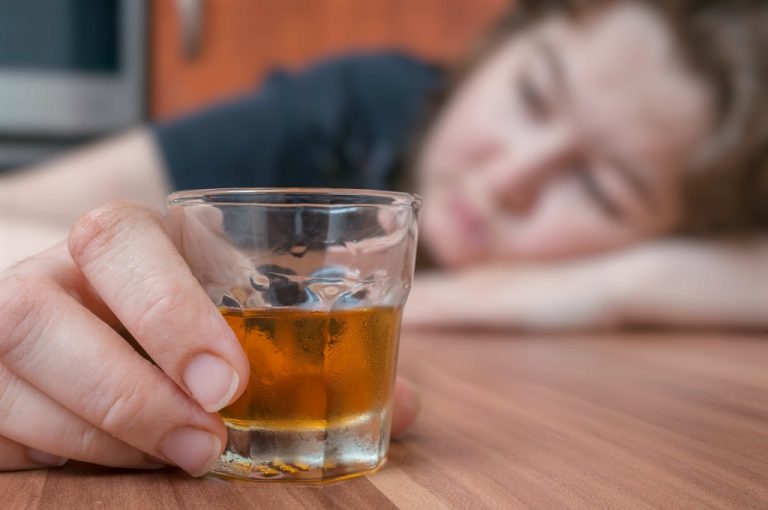
How alcohol contributes to aggression
Without the OFC doing its job of calming those intense emotions, a person can have a strong reaction (2). Alcohol’s ability to temporarily reduce anxiety can also intensify the urge to act on impulse. If you’re less worried about what others will think, or of any consequences, you could be more likely to have a strong reaction when something upsets you (2). These outbursts are akin to a volcano blowing out sideways rather than straight-up, as the emotions will always find a way out. The easier route is to make other people responsible for their moods and overall emotional well-being. When someone is addicted to alcohol, it alters their behavior in predictable patterns.
Lifestyle Modifications
- Many of us have known at least one person who “can’t hold his or her liquor.” Or perhaps we are that person.
- Some people prefer to try cutting back or quitting on their own before committing time and money to rehab.
- This can sometimes trigger renewed alcohol use, especially in the absence of more helpful coping techniques.
- It may shift from stimulant to sedative in line with whether blood alcohol content is rising or falling.
Various therapeutic approaches, including cognitive-behavioural therapy and anger management techniques, can effectively address alcoholic rage. It is crucial to consult a mental health professional to determine the most appropriate type of therapy and treatment plan for managing alcoholic rage. Building a reliable support system can play a crucial role in coping with https://financeinquirer.com/top-5-advantages-of-staying-in-a-sober-living-house/. Connecting with people who can understand your struggles and provide emotional support, such as friends, family, or even mental health professionals, can help alleviate stress and promote positive mental health. Joining support groups for individuals dealing with similar challenges can also contribute to your recovery journey by providing a safe space to share experiences and learn new coping strategies.

But this is often easier said than done, and mean drunks can turn violent when provoked — meaning that if you share a living space with one, your safety should be your main priority. A “crazy drunk person” is one who drinks excessively and frequently due to alcoholism. Because they’re naturally predisposed to be angry when they drink, this becomes a key part of their personality because they can’t control their drinking or their temper.
Alcohol and Aggression: A Neuroscience Perspective
Her fields of interest include Asian languages and literature, Japanese translation, cooking, natural sciences, sex positivity, and mental health. In particular, she’s committed to helping decrease stigma around mental health issues. You might want to participate in treatment with your loved one whenever possible, but it’s also wise to talk to a therapist on your own. This is especially the case if specific behaviors or mood symptoms affect your day-to-day life. Maybe they slipped up and had a drink after several months of sobriety. The characteristics of this phenomenon may share similarities with the feelings and behaviors you might experience while still drinking.
Even in less extreme cases, alcoholic rage can threaten one’s relationships, careers, safety, and more. We know that alcohol may have an impact on one’s emotions and behaviors but how exactly does that work? And why do some people experience anger when drinking, while others do not? Let’s delve into the relationship between alcohol and anger, and explore ways alcohol-related rage can be prevented.
This part of recovery is pretty common, even if people don’t recognize it as such or talk about it much. Still, there are things you can do to manage these symptoms and minimize their impact on your life. Some folks assume Top 5 Advantages of Staying in a Sober Living House that people showing signs of this syndrome are about to relapse and drink again, but this isn’t always the case. Symptoms can also seem to resemble a late withdrawal, as some treatment professionals have pointed out.
Tinggalkan Balasan