In Malaysia’s bustling digital economy, a powerful video can be the defining factor that elevates a brand, explains a complex service, or captures the heart of a nation. But behind every compelling frame that stops the scroll and every narrative that stirs emotion lies a diverse team of skilled professionals. A video production house is far more than a collection of cameras; it is a dynamic ecosystem of talent where distinct yet interconnected skills fuse to create magic. Understanding this skillset is crucial, not just for aspiring creatives, but for any business looking to partner with a team like Visiolab to bring their vision to life. So, what are the essential skills required to thrive in a competitive Malaysian video production environment?
The landscape demands a blend of timeless artistic principles and cutting-edge technical prowess. It requires individuals who are not just executors of tasks, but storytellers, problem-solvers, and strategic partners. The synergy of these skills is what separates an amateur project from a professionally crafted piece of communication.
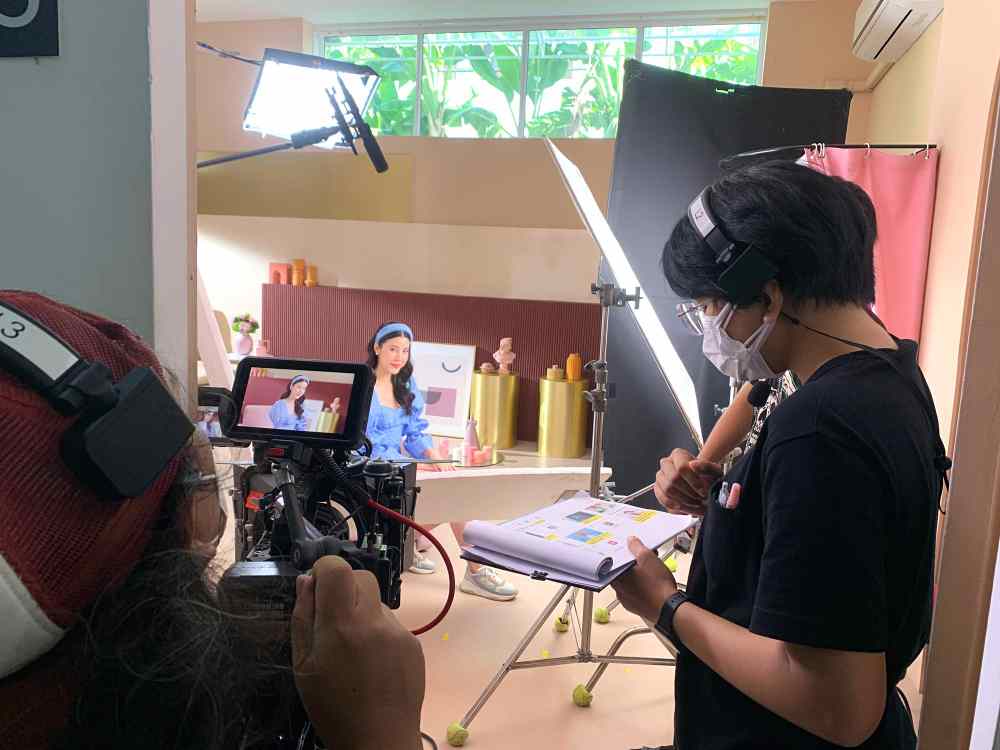
1. Foundational Technical Proficiency: The Craftsman’s Toolkit
At its core, video production is a technical craft. Mastery of the tools is non-negotiable.
- Cinematography and Lighting: This is the art of seeing. It’s not just about operating a high-end camera but understanding composition, lens choice, camera movement, and, most critically, lighting. A skilled Director of Photography (DP) knows how to shape light to create mood, direct the viewer’s eye, and make the subject look their best, whether in a corporate boardroom or a bustling Malaysian street market.
- Sound Design and Audio Engineering: Poor audio can ruin a beautiful image. The skill lies in capturing crystal-clear dialogue and ambient sound on set, and then designing a rich auditory landscape in post-production. This includes layering sound effects, selecting a fitting musical score, and mixing everything to perfection. It’s an often-invisible skill that subconsciously guides the audience’s emotional response.
- Post-Production Software Mastery: The edit suite is where the story is truly built. Proficiency in industry-standard software like the Adobe Creative Suite (Premiere Pro, After Effects, Audition) or DaVinci Resolve is essential. This goes beyond simple cutting; it encompasses color grading to establish visual tone, motion graphics to animate ideas, and visual effects to create the impossible.
2. Creative and Narrative Intelligence: The Artist’s Soul
Technology is the brush, but creativity is the hand that guides it.
- Storytelling and Scriptwriting: Every great video has a story at its heart. The ability to distill a client’s complex message into a clear, engaging, and emotionally resonant narrative is paramount. This requires strong scriptwriting skills, an understanding of narrative structure, and the empathy to see the world from the audience’s perspective.
- Art Direction and Design Sense: A consistent and intentional visual aesthetic is key to brand recognition. This skill involves everything from set design and prop selection to defining a color palette and choosing typography for graphics. It’s about creating a cohesive visual world that supports the story and reinforces the brand’s identity.
3. Strategic and Business Acumen: The Client’s Advocate
In a commercial context, artistic skill must be guided by strategic purpose.
- Client Consultation and Needs Analysis: The first skill is listening. Professionals must be able to delve beyond a client’s initial request to uncover the underlying business objective. Are they trying to increase sales, improve employee morale, or attract investors? The ability to ask the right questions and translate business goals into a creative brief is a critical, high-value skill.
- Project and Resource Management: Video production is a complex logistics operation. Project managers and producers must excel at budgeting, scheduling, crew management, and client communication. They are the conductors of the orchestra, ensuring that every element comes together on time and within budget, turning creative chaos into a smooth, manageable process.
4. Indispensable Soft Skills: The Collaborative Glue
Finally, the environment within a production house like Visiolab thrives on soft skills.
- Communication and Collaboration: Video is a deeply collaborative medium. Directors must communicate their vision to the crew, editors must interpret feedback from clients, and account managers must manage expectations. Clear, respectful, and timely communication is the oil that keeps the machine running smoothly.
- Adaptability and Problem-Solving: On set, something will always go unexpectedly wrong. Equipment fails, weather changes, locations fall through. The ability to think on one’s feet, remain calm under pressure, and devise creative solutions is what separates a professional team from an amateur one.
Visiolab: A Synthesis of Skill in Action
Visiolab’s video production house in Malaysia exemplifies how this multifaceted skillset operates in harmony. They don’t just hire technicians; they build teams of storytellers. When a client approaches them, the process is activated by strategic consultants (business acumen) who define the goal. Scriptwriters and directors (narrative intelligence) then craft the story, which is brought to life by cinematographers and lighting technicians (technical proficiency) who paint with light and motion. Finally, editors and sound designers (technical and creative skills) weave everything into a polished final product, all while producers (project management) ensure a seamless client journey.
This integrated approach ensures that every video is not only beautiful but also strategically sound and effectively delivered, embodying the full spectrum of skills required for modern video production in Malaysia.
Conclusion
The modern video production house is a crucible where diverse talents meld together. It requires a balanced team of individuals who are masters of their craft, storytellers at heart, strategic thinkers, and collaborative partners. For businesses, recognizing this depth of skill is key to selecting the right partner. For aspiring creatives, it’s a roadmap to a dynamic and rewarding career. In the end, the most critical skill of all is the ability to unite these disciplines in service of one goal: telling a story that matters.
Frequently Asked Questions (FAQs)
1. I’m a graduate in film/media. What is the one technical skill I should master to be most employable in a Malaysian production house?
While a broad skillset is valuable, exceptional proficiency in video editing and post-production (specifically in Adobe Premiere Pro and After Effects) is incredibly sought-after. The ability to not just cut footage, but to craft a narrative pace, perform color grading, and create basic motion graphics makes you a versatile asset. Post-production is where the story is finalized, and skilled editors are always in high demand.
2. How important are “soft skills” like communication compared to technical expertise?
They are equally important. You could be the most talented cinematographer, but if you cannot collaborate with the director, communicate with the client, or adapt to on-set challenges, your value diminishes. Technical skills get you in the door; soft skills like professionalism, teamwork, and problem-solving ensure you build a lasting career and advance into leadership roles.
3. Does a production house like Visiolab value formal education or a strong portfolio more?
A strong portfolio almost always carries more immediate weight. Your showreel is tangible proof of your skills, creativity, and ability to complete projects. However, a formal education provides a critical foundation in theory, history, and principles that can accelerate your long-term growth and ability to tackle complex projects. The ideal candidate possesses both, but a stunning portfolio is the key that opens the door.
4. With the rise of AI in video, what skills are becoming more important for human creatives?
AI is automating technical tasks (like rotoscoping or basic editing), which is elevating the value of strategic and conceptual thinking. Skills like creative direction, high-level storytelling, client strategy, and emotional intelligence are becoming more crucial. The human ability to understand nuanced brand values, connect with an audience on an emotional level, and make high-concept creative decisions is something AI cannot replicate. The focus is shifting from how to create to why we create.
5. Can I specialize in one area, like sound design, or do I need to be a generalist?
There is room for both. In a larger, established house like Visiolab, there are dedicated roles for specialists—a expert colorist, a senior sound designer, a VFX artist. These specialists are masters of their craft. In smaller agencies, generalists who can shoot, edit, and do basic motion graphics may be preferred. Early in your career, being a generalist helps you understand the entire pipeline. As you progress, developing a deep specialization can make you an indispensable expert.
Tinggalkan Balasan