Sports injuries can be frustrating, painful, and—when severe—life-changing. Most athletes hope to avoid surgery, and in many cases, they can. But sometimes, despite rehab and conservative treatment, surgery becomes the only way to restore function, relieve pain, or prevent long-term damage.
So, when do sports injury doctors decide surgery is the right call? It’s not an easy decision, but there are specific conditions and red flags that guide them.
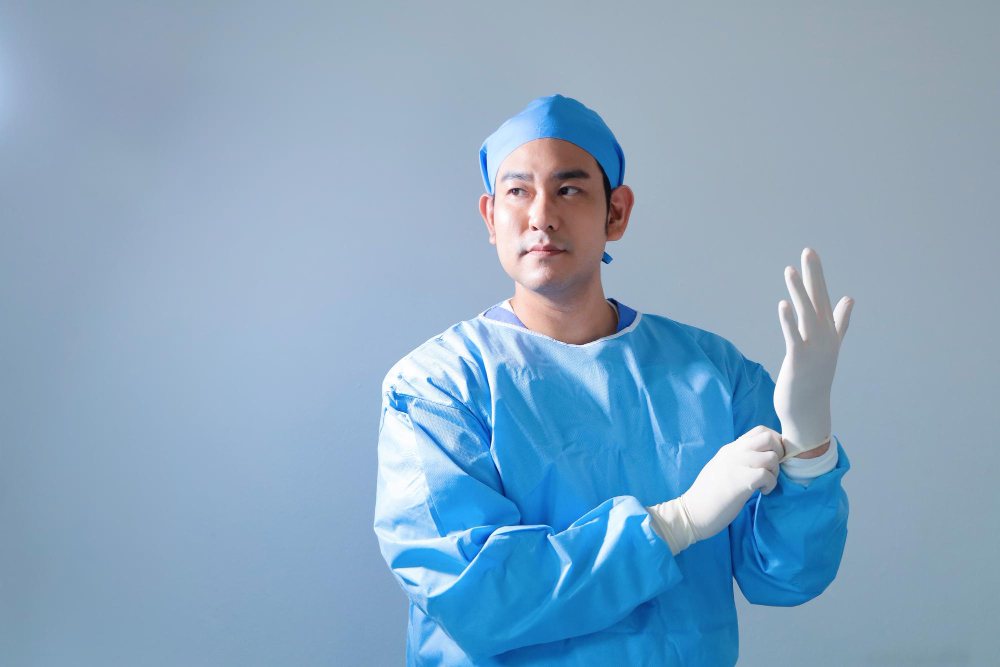
Let’s explore when surgical intervention becomes necessary, what signs doctors look for, and what athletes should know when surgery is on the table.
1. When Conservative Treatments Fail
Before even considering surgery, sports medicine doctors exhaust all non-surgical options. This includes rest, physical therapy, anti-inflammatory medications, bracing, injections (like corticosteroids or PRP), and more.
But if these methods don’t improve the injury after 6 to 12 weeks, or symptoms return after every attempt to resume activity, doctors may turn to surgery.
Common examples:
- A runner with chronic Achilles tendonitis that worsens after every run
- A football player with repeated shoulder dislocations
- A gymnast with persistent knee instability despite rehab
Red flags for surgery:
- No improvement with conservative care
- Chronic pain or swelling
- Recurring instability
- Diminished strength or range of motion
- Inability to return to sport-specific movements
2. For Complete Tears or Ruptures
Not all injuries heal on their own. Complete ligament or tendon ruptures often require surgery to repair or reconstruct the damaged structure. In such cases, healing without surgery may lead to long-term disability or instability.
Common complete tear injuries requiring surgery:
- ACL tear (anterior cruciate ligament)
- Rotator cuff tear
- Achilles tendon rupture
- Meniscus root tear
- Pectoral muscle rupture
Why surgery is necessary:
- These structures provide joint stability and function
- Without surgical repair, joints may become unstable, increasing the risk of further injury
- Surgery helps restore anatomical integrity, making full recovery and return to sport more likely
Athletes who suffer these types of injuries are usually advised to undergo surgery within weeks to avoid tissue degeneration or muscle atrophy.
3. In Case of Severe Fractures or Dislocations
Some injuries are so severe that bones break out of alignment or joints dislocate beyond the body’s ability to correct them naturally. In these cases, surgical intervention becomes urgent.
Surgical intervention is likely if:
- Bones are displaced and cannot be realigned manually
- The fracture involves a joint surface
- The break is open (bone pierces the skin)
- There’s nerve or blood vessel involvement
Common surgical fracture cases:
- Clavicle fracture with displacement
- Wrist fractures with joint involvement
- Complex ankle fractures
- Hip dislocations with bone fragments
Surgical procedures often involve plates, screws, or rods to hold bones in place during healing. Without this intervention, healing could be incomplete or lead to deformity.
4. To Remove or Repair Damaged Cartilage or Loose Bodies
Sports that involve repetitive impact (like basketball, tennis, or soccer) can damage the cartilage that cushions joints. Over time, loose bodies or bone spurs may develop, causing locking, clicking, or pain in the joint.
Signs surgery is needed:
- Joint “locks” during motion
- Clicking or grinding sensation
- Pain that worsens with movement
- Swelling that doesn’t go down
Doctors may recommend arthroscopic surgery—a minimally invasive procedure—to:
- Remove loose fragments
- Smooth rough cartilage
- Remove bone spurs
- Clean up damaged tissue
This allows athletes to regain mobility and reduce pain, often with a shorter recovery time compared to open surgery.
5. When Injury Threatens Long-Term Joint Health
Certain injuries, if left untreated, can lead to permanent joint damage, early-onset arthritis, or chronic pain. Doctors may recommend surgery not just for short-term recovery, but to protect the athlete’s future.
Long-term consequences if untreated:
- Cartilage wear
- Chronic instability
- Irreversible joint degeneration
- Altered biomechanics
Surgery becomes not just a treatment, but a preventative measure to maintain performance and quality of life.
Example scenarios:
- A young basketball player with an ACL tear that, if left untreated, could lead to early arthritis
- A tennis player with elbow damage that affects grip strength permanently
- A martial artist with shoulder instability that increases the risk of nerve injury
In these cases, timely surgical intervention can preserve long-term joint health and functionality.
Conclusion
Surgery is never the first choice for sports injury doctors—but when the situation demands it, acting quickly and decisively is key. Whether it’s a complete tear, a displaced fracture, or damage that threatens long-term performance, doctors weigh many factors before recommending the operating room.
If you’re facing a sports injury and unsure whether surgery is right for you, always seek a specialist’s opinion. A proper evaluation, imaging (like MRI or X-ray), and your goals as an athlete all play a role in the best treatment path forward.
FAQs
1. How do doctors decide between surgery and rehab for sports injuries?
Doctors consider injury type, severity, response to conservative care, and the athlete’s performance goals. Imaging and physical exams guide the decision.
2. Can all ACL tears be treated without surgery?
Partial tears or low-demand athletes might avoid surgery with rehab. But complete tears, especially in athletes, typically need reconstruction for full stability.
3. How long is recovery after sports injury surgery?
It varies—minor arthroscopy may take weeks, while ACL reconstruction can take 6–12 months. Recovery includes physical therapy and gradual return to sport.
4. Is surgery always necessary for rotator cuff tears?
Not always. Small or partial tears may heal with rehab, but large or complete tears often require surgical repair to regain full shoulder function.
5. Are there risks if I delay surgery for a severe sports injury?
Yes. Delaying surgery can lead to further damage, joint instability, or irreversible changes like muscle atrophy and arthritis.
Tinggalkan Balasan